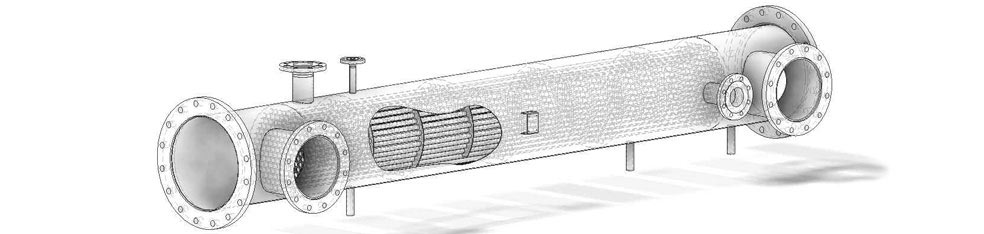

Manufacturer and supplier of shell and tube heat exchangers / heat exchangers

    Efficient solutions for demanding industrial processes

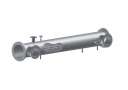
    A modern shell-and-tube heat exchanger forms the heart of heat transfer in many industrial plants. As a manufacturer, we produce these systems with the utmost precision, tailoring them to the individual requirements of each customer. State-of-the-art calculation methods and the use of durable materials ensure that every shell-and-tube heat exchanger operates reliably, efficiently and with minimal maintenance.

    Flow behaviour, temperature profiles and pressure conditions are precisely simulated right from the design phase. This allows each shell-and-tube heat exchanger to be optimally adapted to the specific conditions of the respective process. Manufacturing is carried out exclusively by experienced specialists who carefully inspect every component. The result is durable and high-performance heat exchangers that meet the highest technical and safety standards.

    How a shell-and-tube heat exchanger works

    The principle behind a shell-and-tube heat exchanger is based on a system of tubes through which two separate fluids flow. Whilst one fluid releases heat, the other absorbs it. This allows energy to be transferred efficiently without the fluids coming into contact with one another. This design is particularly robust and is suitable for continuous operation at high temperatures or under high pressure.

    A shell-and-tube heat exchanger is characterised by its compact design and excellent ease of maintenance. The tubes are easy to clean, which makes operation cost-effective in the long term. Heat exchangers and their internal components, available in various grades, ensure corrosion resistance and stability even under extreme conditions.

    Whether for flue gas utilisation, oil or water cooling, heat recovery or specialised processes in the chemical and power generation industries, the shell-and-tube heat exchanger is a versatile and durable solution that has become indispensable in many sectors.

    Manufacture and Areas of Application

    We develop and manufacture shell-and-tube heat exchangers in a wide variety of sizes and capacity ranges. Depending on the application, temperatures of up to 1,200 degrees Celsius can be achieved. The capacity range extends from small systems with a few kilowatts to large-scale units with several megawatts.

    The areas of application are diverse: these include electrolysis processes, combined heat and power plants, steam boiler systems, drying processes, compressors, flue gas or thermal oil systems, as well as specialised industrial applications in process engineering.

    As a manufacturer and supplier, we design and test every shell-and-tube heat exchanger in accordance with the requirements of the European Pressure Equipment Directive 2014/68/EU. Consequently, every product meets the highest standards of safety and quality. Thanks to our flexible manufacturing processes, we can also produce custom designs that are precisely tailored to the specific process.

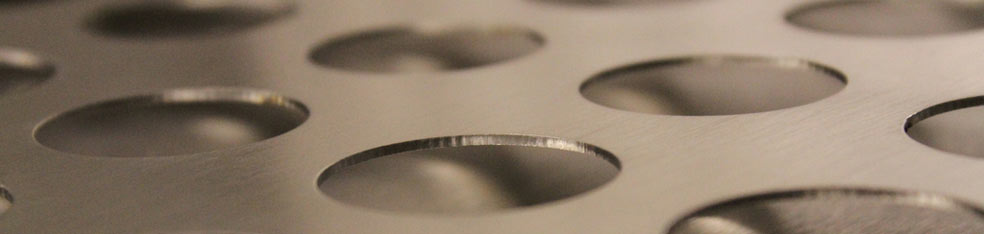
    The use of high-quality stainless steels such as 1.4301, 1.4571, 1.4828 or 1.4841 ensures that every shell-and-tube heat exchanger remains resistant to temperature, pressure and chemical influences.

    Our customers benefit from a durable, low-maintenance and cost-effective solution that ensures consistently stable heat transfer. We stand for technical expertise, precision manufacturing and bespoke solutions for all aspects of shell-and-tube heat exchangers – from comprehensive planning and calculation right through to manufacture.

    Shell-and-tube heat exchanger design and construction

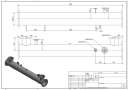
    Please look under ‘Downloads’ where you will find the design data sheet. We will, of course, carry out individual calculations based on your specifications to determine the most suitable flue gas heat exchanger for your needs. You will then receive our quotation without delay. If you have any questions or requirements, please feel free to contact us by email at This email address is being protected from spambots. You need JavaScript enabled to view it. or call us on 036646 284624.

    FAQ: Shell-and-tube heat exchangers

    What is a shell-and-tube heat exchanger?

    A shell-and-tube heat exchanger is a specific type of heat exchanger consisting of numerous parallel tubes arranged in a bundle. One fluid flows through these tubes (tube side), whilst a second fluid surrounds the tubes (shell side). This allows heat to be transferred via the tube walls without the two fluids mixing. This design enables a particularly high rate of heat exchange with low pressure drops and is therefore frequently used in industry, where large amounts of energy are involved.

    How exactly does a shell-and-tube heat exchanger work?

    The principle is based on the flow of two media at different temperatures. One flows inside the tubes, the other in the surrounding shell space. Both counter-current and co-current flow are possible. The large surface area of the tube bundle allows heat to be transferred efficiently. The tubes themselves are usually made of a material with high thermal conductivity. Heat exchange takes place continuously, resulting in very uniform heat transfer.

    What are the advantages of a shell-and-tube heat exchanger?

    Its greatest strength lies in its robustness and durability. Shell-and-tube heat exchangers can withstand high temperatures and pressures, making them particularly suitable for demanding industrial applications. They are also easy to clean, and can be serviced or have individual tubes replaced as required. Thanks to their modular design, they can be integrated into almost any plant. They also deliver reliable performance even with heavily contaminated media, such as in the chemical industry or with exhaust gas streams.

    Where are shell-and-tube heat exchangers typically used?

    This type of heat exchanger is found in many industrial sectors. In power stations, they are used to recover waste heat; in refineries and chemical plants, they are used to make processes more energy-efficient. In laundries, exhaust steam from drying processes can be utilised. They are also used in the food industry, in oil processing and in heating systems to heat or cool liquids or gases. Thanks to their versatility, they are suitable for both small-scale installations and large-scale industrial processes.

    What materials are shell-and-tube heat exchangers made from?

    Different materials are used depending on the application. Stainless steel is particularly common as it is corrosion-resistant, heat-resistant and durable. In environments with aggressive media, such as acids or chemical vapours, special alloys are used. For cooling applications where high thermal conductivity is a priority, copper or aluminium may also be used. The choice of material depends on the temperature, pressure and chemical composition of the media.

    What types of design and flow patterns are there?

    Shell-and-tube heat exchangers can be constructed in various ways. A distinction is often made between single-pass and double-pass variants. Similarly, heat exchange can take place in co-current or counter-current flow. In the counter-current principle, the two fluids flow in opposite directions, which enables a particularly high degree of efficiency. In practice, a combination of both is often used to optimise temperature distribution and increase efficiency.

    How is a shell-and-tube heat exchanger cleaned and maintained?

    To ensure that heat transfer remains efficient in the long term, the tubes should be cleaned regularly. Depending on the medium, deposits may form that impede the flow of heat. In many systems, special brushes or flushing methods are used for this purpose; for larger heat exchangers, chemical cleaning agents are also employed. It is also important to inspect the gaskets and tube sheets at specified intervals. Proper maintenance prevents corrosion damage and significantly extends the service life.

    How long does a shell-and-tube heat exchanger last?

    Its service life depends on several factors: material quality, temperature load, flow velocity and maintenance. As a rule, high-quality stainless steel units can easily achieve a service life of over twenty years. This is provided that regular maintenance is carried out and the fluids are handled correctly. If the heat output decreases or leaks occur, individual tube bundles can usually be replaced without any problems, without having to replace the entire system.

    Can a shell-and-tube heat exchanger be retrofitted?

    Yes, in many cases a shell-and-tube heat exchanger can be integrated into existing systems at a later date. The key factor is that the dimensions, flow rates and materials are compatible with the existing connections. Retrofitting is particularly worthwhile when utilising waste heat, as it can significantly improve the energy efficiency of the entire plant. A prior technical assessment by qualified personnel is recommended to achieve optimal results.

    Why is stainless steel particularly popular for shell-and-tube heat exchangers?

    Stainless steel combines several properties that make it the ideal material. It is resistant to moisture, heat and chemical influences, can be machined with precision and is easy to clean. Particularly in applications involving high temperatures or corrosive media, stainless steel ensures a long service life and consistent performance. Furthermore, its smooth surface helps to minimise deposits, thereby simplifying maintenance.